
The Human Factor: Emotional Leadership as a Skill for the Future
Do your people actually know that you’re glad they’re there?
Not because it says so somewhere in your company values. But because they can feel it.
When they walk through the door in the morning. When they have a great idea. And maybe even more importantly, when they don’t.
Because people don’t just want to know what they’re supposed to do.
They want to know that it makes a difference that they’re there.
A keynote about a kind of leadership that doesn’t need another new method.
It needs people who truly see people again.
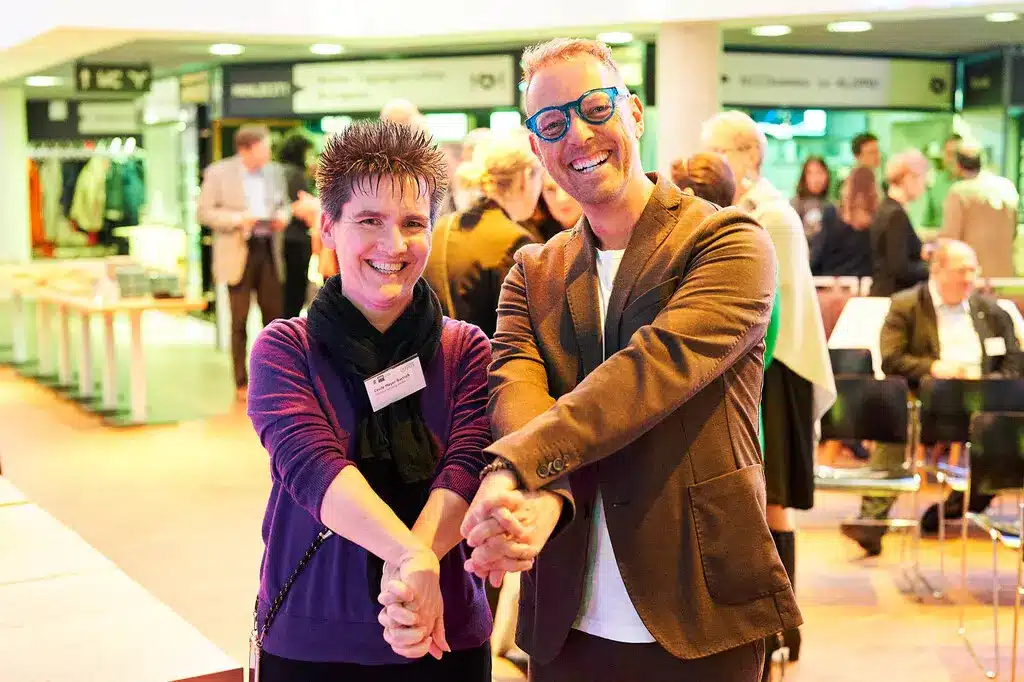
When did “It’s great to have you here” become “They’re doing fine”?
There’s a beautiful thought from couples therapy:
If we still did at the end of a relationship what we did at the beginning, maybe some relationships wouldn’t end.
I think it’s worth looking at this in the workplace, too.
When someone new joins the company, we make time for them. We ask questions, listen, and genuinely want to know how they’re doing.
And a few years later?
The people we can always rely on have a strange way of becoming almost invisible. Until the day they’re no longer there.
Maybe appreciation starts with a pretty simple question:
What did I give this person in the beginning that somehow got lost along the way?
Leading with humanity doesn’t mean trying to please everyone.
You can expect a lot from people and tell them when something wasn’t good enough. And you will have to make decisions that not everyone likes.
The question is how you treat the person while doing it.
Because appreciation doesn’t mean: “Everything you do is amazing.”
It means: “I see you. And I know you’re capable of more.”
Performance and humanity are not opposites.
Great leadership needs both.
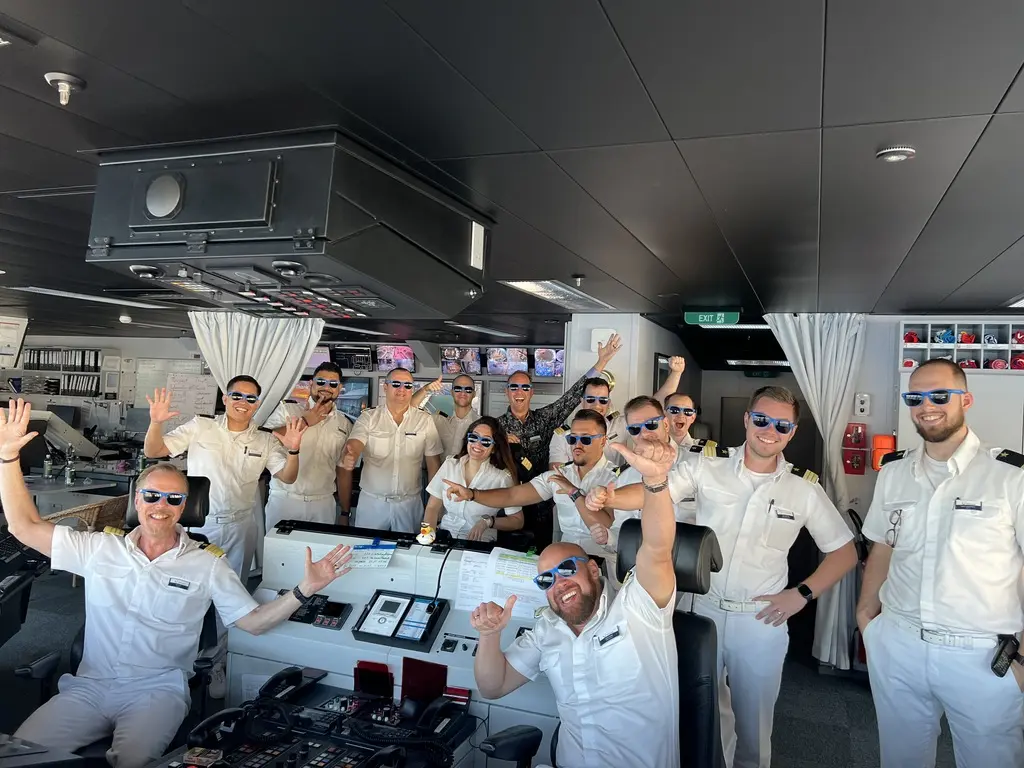
Maybe tomorrow starts with just one question.
When someone on your team goes home at the end of the day:
How do they feel?
Do they simply feel like they got their work done?
Or do they leave thinking:
“I’m glad I was here today.”
Leaders can help shape that feeling. Not through grand gestures every day, but through the way they treat people. Because in the end, people don’t just remember what they achieved while working with you.
They remember what it felt like to work with you.
Do you want to strengthen this kind of leadership in your company?
Then let’s talk.
Enquire keynote "The Human Factor: Emotional Leadership as a Skill of the Future" now.

Norman Gräter:
Why does this topic matter so much to me?
Because I’ve been working with people for more than 30 years, and I’ve seen again and again what happens when we give another human being our full attention.
One of those moments was when I met Michelle Obama in Amsterdam.
Of course, I knew who was standing in front of me. But what impressed me most had nothing to do with that.
For that moment, she made me feel as if the two of us were the only people in the room.
She was completely present. With her eyes, her heart, and her mind. Not for a second did I feel like I was just one of many people she would meet that day.
And that’s what I still remember. Not her title. Not how famous or important she is.
But how she made me feel in that moment.
Maybe that’s one of the most beautiful forms of leadership: Making another person feel: I see you. You matter to me right now.