
The Human Factor: Emotional Leadership as a Skill for the Future
Do your people actually know that you’re glad they’re there?
Not because it says so somewhere in your company values. But because they can feel it.
When they walk through the door in the morning. When they have a great idea. And maybe even more importantly, when they don’t.
Because people don’t just want to know what they’re supposed to do.
They want to know that it makes a difference that they’re there.
A keynote for managers and HR leaders who want to make appreciation part of everyday work. It fits a leadership conference or a team day. Here’s a question to take back to work: Who on your team could you thank tomorrow, and what exactly would you thank them for?
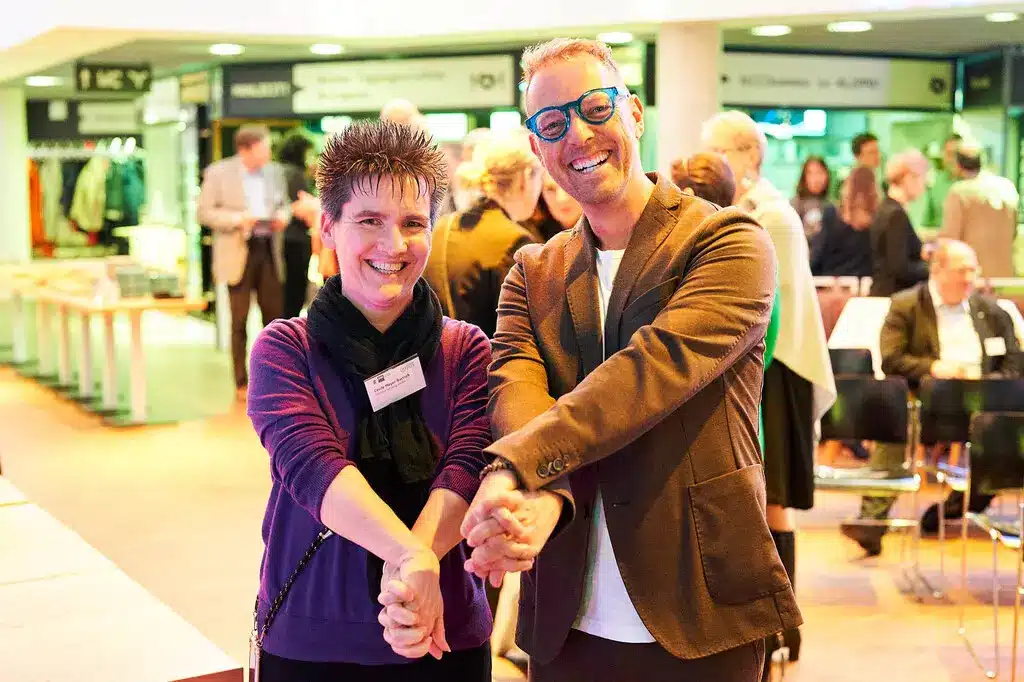
When did “It’s great to have you here” become “They’re doing fine”?
There’s a beautiful thought from couples therapy:
If we still did at the end of a relationship what we did at the beginning, maybe some relationships wouldn’t end.
I think it’s worth looking at this in the workplace, too.
When someone new joins the company, we make time for them. We ask questions, listen, and genuinely want to know how they’re doing.
And a few years later?
The people we can always rely on have a strange way of becoming almost invisible. Until the day they’re no longer there.
Maybe appreciation starts with a pretty simple question:
What did I give this person in the beginning that somehow got lost along the way?
Leading with humanity doesn’t mean trying to please everyone.
You can expect a lot from people and tell them when something wasn’t good enough. And you will have to make decisions that not everyone likes.
The question is how you treat the person while doing it.
Because appreciation doesn’t mean: “Everything you do is amazing.”
It means: “I see you. And I know you’re capable of more.”
Performance and humanity are not opposites.
Great leadership needs both.
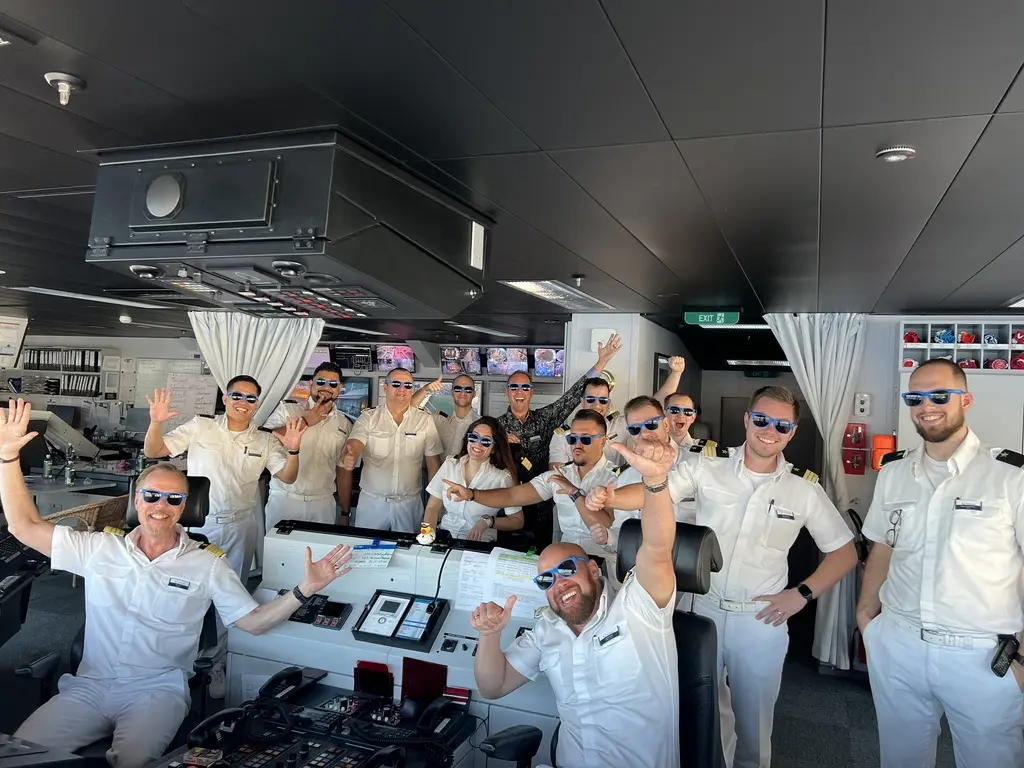
Maybe tomorrow starts with just one question.
When someone on your team goes home at the end of the day:
How do they feel?
Do they simply feel like they got their work done?
Or do they leave thinking:
“I’m glad I was here today.”
Leaders can help shape that feeling. Not through grand gestures every day, but through the way they treat people. Because in the end, people don’t just remember what they achieved while working with you.
They remember what it felt like to work with you.
Do you want to strengthen this kind of leadership in your company?
Then let’s talk.
Your event. Your guests. Your keynote.
Every company is different, and every event has its own purpose. These four keynotes offer examples of the themes we can explore together. You don't need to choose a fixed title or fit your event around a ready-made talk.
In a personal conversation, you tell me what matters to your guests and what you want your event to achieve. I listen, ask questions and put together a keynote proposal with the stories, ideas and perspectives that fit your company. The title can change, too.
What matters is what the keynote moves in each person in the audience.

Norman Gräter:
Why I speak from experience
During my 16 years at the international event agency marbet, we designed and delivered events for well-known companies around the world. This gave me insights into their ambitions, challenges and transformation processes. From mergers and acquisitions to organizational change, team motivation and bringing teams together, our agency helped companies engage their people and bring them along on the journey.
I learned that new structures and shared goals alone do not create a sense of belonging. What also matters is whether people feel seen, included and appreciated. These experiences continue to shape my work as a keynote speaker on emotional leadership, team motivation and collaboration.
Why does this topic matter so much to me?
Because I’ve been working with people for more than 30 years, and I’ve seen again and again what happens when we give another human being our full attention.
One of those moments was when I met Michelle Obama in Amsterdam.
Of course, I knew who was standing in front of me. But what impressed me most had nothing to do with that.
For that moment, she made me feel as if the two of us were the only people in the room.
She was completely present. With her eyes, her heart, and her mind. Not for a second did I feel like I was just one of many people she would meet that day.
And that’s what I still remember. Not her title. Not how famous or important she is.
But how she made me feel in that moment.
Maybe that’s one of the most beautiful forms of leadership: Making another person feel: I see you. You matter to me right now.
Your next step: five minutes for your team
Where could you make a difference in your next conversation? Take the free 5-Minute Motivation Check, choose one practical tip and try it tomorrow.